Protective hairstyles continue to grow in popularity because they combine beauty, convenience, and hair protection. Among the most requested twist styles are Havana twists and Marley twists. While both styles offer a natural textured appearance, they differ in size, texture, weight, and overall styling results. Understanding these differences can help you choose the best option for your hair type and personal style.
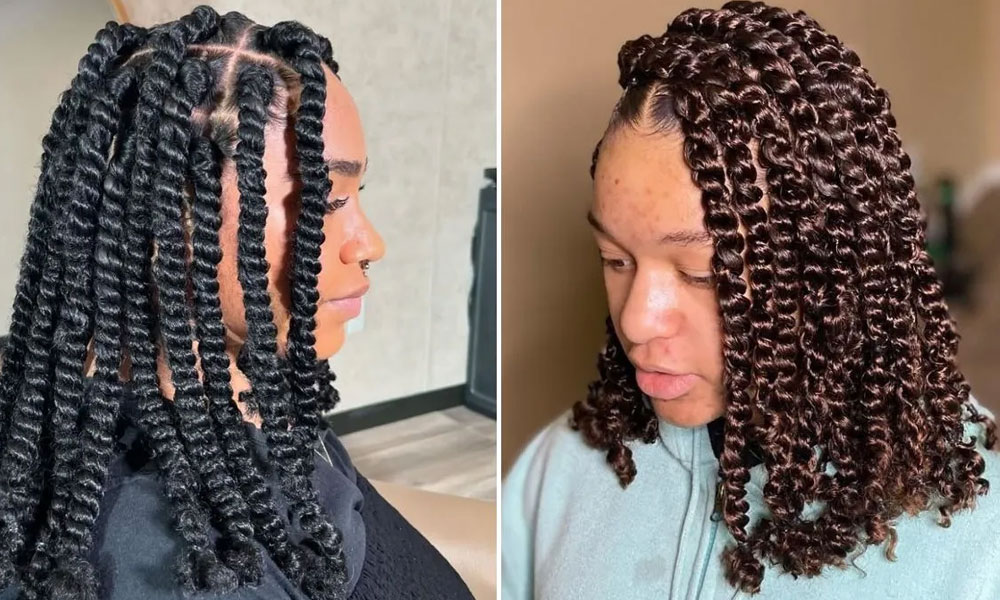
Havana twists are known for their large, chunky appearance. They are typically created using Havana hair, which has a soft, fluffy, and lightweight texture. The twists are usually bigger in diameter, giving them a bold and voluminous look. Because the hair is lighter, Havana twists often feel more comfortable on the scalp even when worn in longer lengths. Many people prefer this style for its glamorous and full-bodied finish.
Marley twists, on the other hand, use Marley hair, which has a coarser and kinkier texture designed to closely resemble natural Afro-textured hair. These twists are generally smaller and more defined than Havana twists. Marley twists create a more natural and textured appearance, making them a popular option for those who want a realistic protective style that blends easily with natural hair.
One major difference between the two styles is weight and tension. Havana twists are typically lighter because the hair used is softer and airier. Marley twists can feel slightly heavier depending on the amount of hair added and the size of the twists. Choosing overly tight twists in either style can lead to scalp discomfort or tension damage, so professional installation is important
The installation process also varies slightly. Havana twists are often installed with fewer twists because of their larger size, making the appointment shorter in some cases. Marley twists usually require more sections and can take longer to complete, especially for smaller or medium-sized twists. However, both styles can last anywhere from four to eight weeks with proper maintenance
When it comes to styling versatility, both options offer flexibility. You can wear them in buns, ponytails, half-up styles, or updos. Havana twists tend to create a softer and more dramatic look, while Marley twists provide a textured and natural finish suitable for everyday wear.
Maintaining either style involves moisturizing the scalp, protecting the twists at night with a satin scarf or bonnet, and avoiding excessive product buildup. Proper care helps extend the life of the style while protecting your natural hair underneath.
Whether you prefer the bold volume of Havana twists or the natural texture of Marley twists, both styles are excellent protective hairstyle choices that combine fashion with functionality.
For professional twist styles and natural hair care services, visit Authentic African Hair Braiding.