Braids are a beautiful protective hairstyle, but the way you remove them is just as important as how they were installed. Rushing through the takedown process can lead to breakage, excessive shedding, scalp irritation, and even long term damage. With patience and the right technique, you can safely remove your braids while keeping your natural hair healthy and strong.
The first step is preparation. Before removing your braids, lightly coat your hair with a moisturizing oil or leave in conditioner. Products like coconut oil, castor oil, or braid sprays help soften buildup and reduce friction during removal. Experts recommend allowing the product to sit for at least 10–15 minutes so the hair becomes easier to detangle.
If your braids include extensions, carefully cut the added hair below the point where your natural hair ends. Use sharp scissors and avoid cutting too close to your real hair. This makes the process faster and reduces tangling.
When unraveling the braids, always start from the ends and work upward toward the roots. Removing braids from the bottom up helps prevent unnecessary pulling and hair breakage. Avoid using excessive force if you hit a knot. Instead, apply more oil or conditioner and gently loosen the section with your fingers or a wide-tooth comb.
One common mistake is washing hair before all braids are fully removed. Water can tighten shed hair and product buildup at the roots, causing severe matting. It is safer to completely remove and finger detangle the hair first, then wash afterward.
You may notice a large amount of shed hair during the process, but this is usually normal. Hair naturally sheds daily, and the loose strands remain trapped inside the braids until removal. Many people mistake this for sudden hair loss.
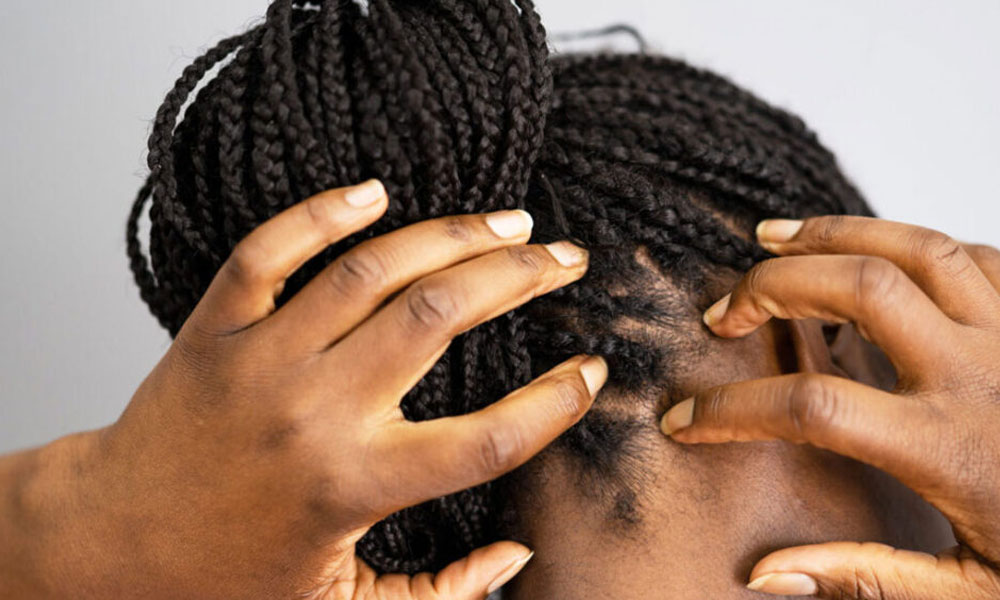
After all braids are removed, gently detangle your hair section by section. Follow with a clarifying shampoo and a deep conditioning treatment to restore moisture and remove buildup from the scalp. Giving your hair a short break before reinstalling braids can also help prevent tension damage and traction alopecia.
Healthy braid removal takes time, but patience protects your hair. Treat your strands gently, keep them moisturized, and avoid rushing the process. With proper aftercare, your natural hair can remain strong, soft, and ready for your next protective style.
For professional braid care and protective styling inspiration, visit Authentic African Hair Braiding